
FakeStake – Free Casino Simulator with Virtual Credits

10 min
Average Cash Out Time. Fast payouts.
A$6,907,602
Total cashout last 5 month.
A$25,373
Last big win in Gold Rush with Johnny Cash.
7,000+
Licensed games.









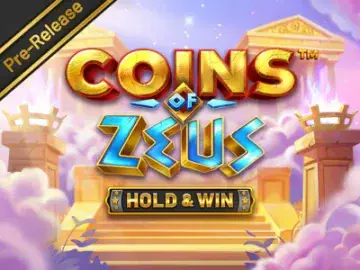

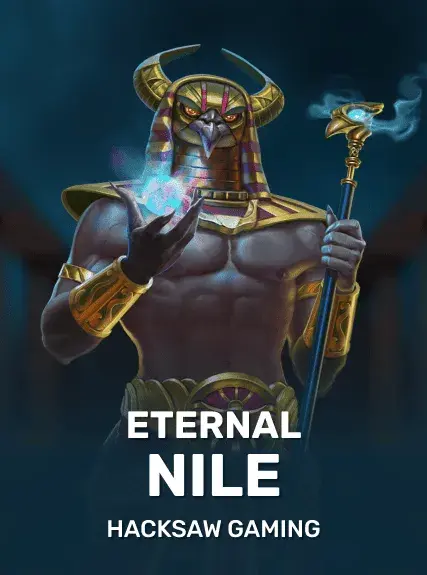


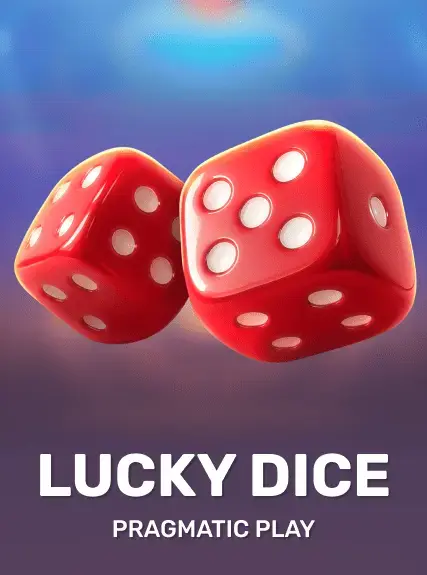













Fake Stake Casino is a free browser-based casino simulator built around virtual credits. It reproduces familiar formats such as Mines, Plinko, Crash, Dice, roulette, blackjack, slots and case-opening games without accepting deposits or paying cash prizes. The balance shown with a dollar symbol is a scoring unit, not US dollars, euros or a redeemable token. This distinction defines the whole service: users can study rules, test bet sizes and compare game behaviour, but no result can be converted into money.

What Fake Stake Casino is — and what it is not
The verified domain is fakestake.fun. Its terms describe the product as an entertainment simulator for adults aged 18 and over. It is independent from Stake.com and is not endorsed or sponsored by that operator. The similar name and casino-style interface may attract searches for a Stake demo, yet the two services must not be confused. FakeStake has no cashier, crypto wallet, bank-card form or cash-out function.
The platform currently groups 60 games into a cluster rather than presenting one flagship title. The published breakdown lists 26 in-house originals, 29 slot demos and five crash-style games. Its main use cases are free casino play, rules practice and observation of volatility over repeated rounds. A good result remains a virtual score, while a losing session can be reset without a financial loss.
| Feature | Confirmed status |
|---|---|
| Official domain | fakestake.fun |
| Product type | Free casino simulator using virtual credits |
| Real-money deposits | Not supported |
| Cash withdrawals or prizes | Not supported |
| Account | Optional Google sign-in for Ranked play and saved statistics |
| Guest access | Available through Casual mode |
| Age policy | 18+ |
| Connection to Stake.com | None; FakeStake states that it is an independent simulator |
Virtual dollars, euros and the meaning of the balance
FakeStake uses a dollar sign in its interface, but that symbol does not identify a supported payment currency. The amount is virtual credit stored either in the browser or on the account record. It cannot be purchased, sold, transferred to a bank, exchanged for euros or sent to a crypto address. Describing it as USD would therefore be inaccurate, even when a number appears as “$100k”.
The site does not publish a separate euro balance. Players from countries that normally use EUR still see a game score rather than a real currency account. Exchange rates, conversion fees and banking limits do not apply because no financial transaction takes place. The practical comparison between dollars and euros ends at visual presentation: both would only be labels for play credits if used in a simulator.
Some current pages display different starting-balance figures, while the header and responsible-play page show a six-figure virtual amount. Since the balance is resettable and has no cash value, the exact starting number is less important than the rule behind it. Users can play, lose the displayed credits and restore the bankroll without making a payment. Any website or person asking for a fee to release a FakeStake balance is describing a different service or a scam.
Free casino game cluster
The game hub is organised by mechanics. This is useful for search intent because someone looking for a free Plinko game needs different information from a player comparing blackjack rules or slot volatility. Each cluster below has its own decision pattern, pace and mathematical profile. Practice can teach controls and probabilities, but it cannot make a negative-expectation casino format profitable in real-money play.
Mines and grid-based risk games
Mines asks the player to reveal safe cells on a grid while avoiding hidden bombs. Each successful choice raises the multiplier, and the round ends when a mine appears or the player collects the current virtual payout. Dragon Tower, Snake and Moles use related risk ladders with different visual layouts. These titles are useful for seeing how a rising multiplier compensates for a falling chance of survival.
The central lesson is not finding a secret pattern. Changing the number of mines changes probability and payout together. A cautious setup can produce more frequent small virtual wins, while a harder setup produces longer losing runs and rare high multipliers. Past boards do not reveal the next board, so screenshots of winning sequences provide no predictive value.
Plinko, Dice, Keno and instant-result games
Free Plinko sends a ball through rows of pegs toward multiplier slots. Controls can include row count and risk level, allowing users to compare a centre-heavy payout table with a more volatile layout. Dice uses an over-or-under target, Keno asks the user to choose numbers before a draw, and Flip reduces the round to a two-sided result. Wheel and roulette add more betting positions but still settle each round independently.
These games work well as probability demonstrations because settings change on screen before the round starts. A higher win chance normally reduces the payout, while an extreme multiplier is paired with a rare event. Running many virtual rounds can show distribution more clearly than one short session, although even a large sample does not forecast the next click.
Crash, Limbo and step-by-step multipliers
Crash begins at 1× and raises the multiplier until the round stops. The player must collect before that point. Limbo reverses the order by asking for a target first and then checking whether the generated result reaches it. Pump and Chicken Road use related stop-or-continue choices. The controls feel different, but each game balances the chance of success against the selected multiplier.
Auto cash-out can be useful for testing a fixed rule across virtual rounds. It does not remove the house edge or create a guaranteed return. A series of early crashes can still occur, just as a rare large result can appear when no bet is active. Free play is a suitable place to see why doubling after a loss can exhaust a bankroll quickly.
Blackjack, baccarat, roulette and poker tables
The table section includes blackjack with hit, stand, double and split decisions; baccarat; European-style roulette; HiLo; Casino Hold’em; and Texas Hold’em against AI opponents. The Texas Hold’em implementation includes blinds, four betting streets, side pots and showdowns rather than a single-button card draw. These details make the table cluster more useful for learning turn order and hand structure.
Practice is most valuable where a decision changes the mathematical return. In blackjack, the available action depends on the player hand and dealer card. In poker, position, stack size and pot odds matter. Roulette and baccarat offer fewer player decisions, so the focus shifts toward understanding payout tables and house edge. Virtual success should not be read as evidence of skill when the result is mainly random.
Original slots and third-party demos
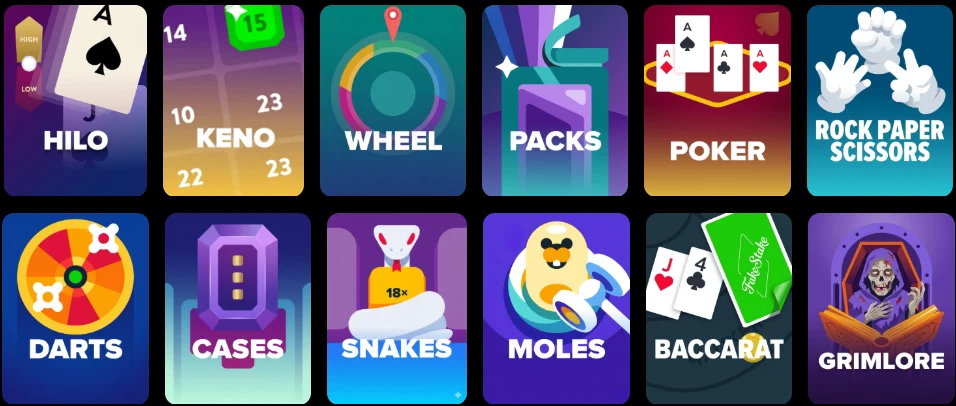
FakeStake lists in-house reel games alongside provider demos. Stonebreaker is an original mining slot with a published 96% RTP and a maximum simulated multiplier of 5,000×. Azure Ronin uses 576 ways and sticky samurai features, while Grimlore includes a free-spin structure. The game page, not a general casino claim, is the right place to check each title’s RTP, volatility, pay rules and maximum result.
The slot-demo cluster includes titles associated with studios such as Pragmatic Play, Hacksaw Gaming, Nolimit City, Push Gaming, BGaming, Novomatic, IGT and others. Availability may depend on the provider and region, and the site marks some demos as possibly restricted. These games remain third-party content; FakeStake does not claim ownership of provider trademarks or game code.
Cases, packs and virtual item simulators
Cases, Packs, CS2 Cases, Skin Vault, Upgrader and Battles add loot-box-style mechanics. Random rewards are virtual cosmetic items with published drop probabilities in the relevant games. The terms state that these items cannot be bought with real money, traded, withdrawn or assigned a monetary value. They are part of the simulation, not a skin marketplace.
| Game cluster | Examples | Main learning point |
|---|---|---|
| Grid and ladder | Mines, Dragon Tower, Snake, Moles | Risk rises as the player continues |
| Instant result | Plinko, Dice, Keno, Flip, Wheel | Win chance and payout move in opposite directions |
| Crash-style | Crash, Limbo, Pump, Chicken Road | Exit timing or target selection |
| Cards and tables | Blackjack, baccarat, roulette, HiLo, Hold’em | Rules, payout structure and decision order |
| Slots | Stonebreaker, Azure Ronin, Grimlore and provider demos | RTP, volatility and feature frequency |
| Virtual items | Cases, Packs, CS2 Cases, Skin Vault | Drop probabilities with no cash ownership |
Casual and Ranked modes
Casual mode requires no account. The virtual balance, settings, recent play and client seeds are kept in local browser storage. Outcomes are generated locally for quick access. Clearing site data can remove that balance and restart the session. This mode suits users who want to open a free casino game without giving an email address or preserving a long-term profile.
Ranked mode requires optional Google sign-in. Rounds are generated and settled on the server, then added to statistics, profit-and-loss history, achievements, daily virtual rewards and the weekly leaderboard. The public profile can show the chosen nickname, avatar and game results, while the privacy policy says the email address is not displayed publicly.
For Ranked originals, FakeStake describes an HMAC-based verification model using a committed server seed, a client seed and a nonce for each round. The server seed can be revealed later so the input and output can be checked. This process addresses whether a recorded result was altered after commitment; it does not turn virtual credits into a prize or prove that every third-party slot demo uses the same system.
| Mode | Account | Where play data is kept | Extra functions |
|---|---|---|---|
| Casual | Not required | Local browser storage | Immediate free play and resettable credit |
| Ranked | Google sign-in | Server account record | Statistics, history, achievements, virtual rewards and rankings |
Virtual rewards instead of a casino bonus
There is no deposit bonus because there is no deposit. The Rewards area is linked to Ranked play and uses free credits, achievements and leaderboard progress. Any displayed prize amount belongs to the simulator and cannot be withdrawn. Calling it a cash welcome bonus would be misleading, even if the interface uses a dollar sign.
Users should also separate FakeStake’s internal rewards from outbound affiliate promotions. The site contains clearly marked links to third-party real-money casinos and may receive a commission if a visitor registers or deposits there. Those operators have their own terms, licences, country restrictions, payment methods and risk. A promotion on an external page is not a FakeStake reward and is not covered by the simulator’s no-money model.
Sports simulation through FakeBet
The Sports item on fakestake.fun opens fakebet.fun, a separate sports-betting simulator. FakeBet provides a virtual bet slip, single and multi selections, mock betting activity, statistics and leaderboards. Its categories include soccer, basketball, American football, ice hockey, baseball, rugby, volleyball and cricket, depending on the events loaded at the time.
No real bet is placed through that simulator, and its published disclaimer says no real money changes hands. It should therefore be treated as a linked practice product rather than an integrated sportsbook inside Fake Stake Casino. Event feeds and displayed prices can change, while an outbound “bet for real” link leads to a third-party operator with separate rules.
No payments, KYC or gambling licence
FakeStake does not ask for a card, bank transfer, e-wallet or cryptocurrency deposit. It has no withdrawal time, transaction fee, minimum cash-out or currency-conversion limit. There is also no KYC process for releasing funds because funds are never held. Google sign-in is an account feature for saved play, not a financial verification step.
The service does not publish a gambling licence and states that it does not operate real-money gambling. Its terms are governed by Polish law, with consumer protections in a user’s home country still applying where mandatory. Because the service is described as worldwide, readers should still distinguish global web access from universal legal classification. Rules for simulated casino content, minors, promotions and third-party links can differ by country.
Registration and privacy choices
Registration is optional. A guest can choose a game and use Casual mode without creating an account. To enter Ranked mode, save statistics across devices or appear on leaderboards, the user signs in through Google and selects a nickname. The privacy policy says the platform then stores the Google email address, display name, profile picture, nickname, ranked balance, game statistics, round history, virtual inventories and fairness seeds.
With consent, Google Analytics 4 may collect page visits, session duration, approximate region and browser type. The policy says advertising profiles are not built and personal data is not sold. Users can reject analytics and continue playing. Account data remains until deletion, detailed round history is normally removed after about 60 days, and the account can be reset or deleted from Settings.
Guest information stays mainly in local storage, including the balance, settings and history. Clearing browser data removes it. This setup reduces the data needed for Casual play, but users should still check the domain before using Google sign-in. FakeStake’s own disclosure warns that it is independent from Stake.com, so credentials for a real casino should never be entered into a look-alike form.
Mobile play without an app download
The games run in a mobile browser as well as on desktop, with no confirmed native iOS or Android application required for the core service. Users can open fakestake.fun in Safari, Chrome or another current browser and add the page to the home screen if they want a shortcut. That shortcut remains a browser link, not an app-store casino wallet.
Performance depends on the device, browser and third-party demo. In-house games load from the site, while provider demos may have separate technical or regional requirements. Installing an APK advertised under a similar name is unnecessary and creates avoidable security risk. The safest mobile route is the verified web domain.
Support, reporting and responsible use
The site provides a Support control and a feedback form for requesting a game or reporting a bug. It does not publish a promised response time in the pages reviewed. Technical reports should describe the game, mode, browser and action that triggered the issue, without sending a Google password or other private login information.
FakeStake is restricted to adults in its terms even though there is no real-money stake. Its responsible-play page explains warning signs linked to real gambling and directs users to external help services. Free casino mechanics can still encourage long sessions or false confidence. A virtual hot streak does not predict a cash result elsewhere, and repeated practice cannot remove house edge.
For a game-cluster page, the clearest conclusion is practical: Fake Stake Casino is useful as a free Mines, Plinko, Crash, Dice, table-game and slot simulator. It offers guest play, an optional Ranked account and server-verifiable results for supported originals. It does not offer real dollars, euros, deposits, withdrawals or prizes, and it is not Stake.com. Those boundaries should remain visible wherever the brand is presented.
Questions about the FakeStake simulator
Is Fake Stake Casino a real-money casino?
No. FakeStake is a browser casino simulator that uses virtual credits with no cash value. It does not accept deposits, process withdrawals or award real-money prizes.
Can the dollar balance be withdrawn or changed into euros?
No. The dollar sign is only a display label for virtual credit. The balance is not USD, EUR or cryptocurrency and cannot be transferred, exchanged, sold or redeemed.
Which games are available on FakeStake?
The current cluster includes Mines, Plinko, Crash, Dice, Limbo, roulette, blackjack, baccarat, poker, slots, cases and other virtual-credit games. The site publishes 60 titles across originals, slot demos and crash-style formats.
Is an account required to play?
No account is needed for Casual mode. Google sign-in is optional and unlocks Ranked play, saved statistics, achievements, virtual rewards, profit-and-loss history and leaderboard participation.
Is FakeStake connected to Stake.com?
No. Its terms state that FakeStake is independent and is not affiliated with, endorsed by or sponsored by Stake.com. The two services should not share login credentials.
Does Fake Stake have sports betting?
The Sports menu opens FakeBet, a separate free sports-betting simulator. It uses virtual balance and does not place real wagers. External real-money links lead to third-party operators with their own terms and restrictions.